September 30, 2026
Understanding the impacts of hail on your roof and when it's crucial to seek professional repair services can prevent further damage and costly repairs. Roofs are often the first line of defense against nature, and hail damage is one of the most prevalent risks homeowners face. As the severity of storms increases, knowing when to call in a professional can be the difference between a minor fix and a major repair. Detecting and addressing roof damage promptly helps in maintaining roof health. This article outlines key signs indicating that a professional's touch is necessary when you need local hail damage roof repair.
1. Visible Dents and Bruises on Shingles
1.1. Recognition of Dents by Visual Inspection
Dents on shingles are a common indicator of hail damage and can often be spotted with a visual inspection. These dents may appear as small indentations or surface damage, disrupting the typical smoothness of the roof surface. Detecting these damages can be challenging, especially from afar, which is why closer or professional inspection is advised. Hailstones, especially those between 2 and 4 inches in diameter, can cause significant impact, sometimes reaching speeds up to 72 MPH, according to NOAA. Regular checks and maintenance on your roof after a hailstorm help in catching these early signs before they progress into more severe issues.
1.2. Differences Between Dents and Natural Wear
Distinguishing between hail damage and normal wear can be pivotal in determining subsequent actions. Over time, roofs will naturally undergo wear from exposure to the elements and time's passage, often showing more gradual wear patterns. In contrast, hail damage tends to be sudden and isolated, with specific markings or dents. Professional roofers are trained to spot these differences, using their expertise and experience to advise on the best course of action. Their keen eye can detect subtleties that an untrained observer might miss, ensuring that hail damage is properly identified.
1.3. Consequences of Ignoring Shingle Dents
Overlooking dents in your shingles can lead to significant consequences for your home. Initially, what might appear as minor indentations can expand, allowing water to seep in and accelerate deterioration. Water entering through dents can eventually cause leaks and affect the interior structures of your home. If left unattended, the damage may grow over time, escalating into costly repairs or even a full roof replacement. Ensuring timely repair can help avoid these issues, maintaining the integrity of your home and saving costs in the long run.
2. Granule Loss on Asphalt Shingles
2.1. Granule Accumulation in Gutters
Granule accumulation in gutters is a telltale sign of hail damage on asphalt shingles. The granules are essential as they provide UV protection and add an extra layer of durability to the shingles. When hail impacts the roof, it can loosen these granules, causing them to collect in gutters. Regularly checking gutters, particularly after storms, can alert homeowners to potential roof issues. Consistent granule presence in gutters suggests professional inspection is required to prevent further granule loss and ensure roof longevity.
2.2. Impact of Granule Loss on Roof Longevity
Granule loss can significantly impact the lifespan of a roof, reducing its effectiveness and exposing underlying materials to elements. Without granules, shingles may degrade faster under constant exposure to sun and rain. This degradation can lead to increased vulnerability, resulting in potential leaks and structural weaknesses over time. Addressing granule loss promptly is essential to maintaining the protective capabilities of the roofing. Roofers often suggest preventative maintenance to ensure that granules are intact, extending the roof's service life notably.
2.3. Differences Between Normal and Hail-Related Granule Loss
It is crucial to differentiate between normal wear of granules and those lost due to hail impact. Shingles naturally shed some granules over time due to weathering and age; however, hail strikes can cause abrupt granule loss. Hail-induced granule loss typically follows a storm and is more pronounced in specific roof sections. Analyzing patterns and extent of loss can help determine if hail is the culprit. Consulting a roofing expert can clarify these patterns, ensuring that hail damage is identified accurately and remedied properly.
2.4. Professional Approaches to Granule Loss Repair
Professionals utilize various strategies to repair granule loss effectively. Applying restorative coatings can enhance the protective surface of shingles, re-establishing their defense against UV exposure and weather. When extensive damage is detected, replacing the affected shingles or sections of the roof may be necessary to prevent future complications. Expert roofers also provide guidance on measures to avoid further granule erosion. Their intervention ensures that the roof remains functional and retains its visual appeal.
3. Cracked or Broken Shingles
3.1. Hairline Cracks Versus Severe Damage
Distinguishing between hairline cracks and severe damage on shingles is vital to understanding the extent of roof issues. Hairline cracks may escape notice initially but can widen over time, signifying deeper underlying problems. Severe damage often involves visible fracturing, where the shingles or even underlying layers are compromised. Experienced professionals can accurately assess the severity of cracks through detailed inspection. By addressing these issues promptly, homeowners can prevent further damage and maintain roof integrity.
3.2. Timeline of Crack Spread and Associated Risks
Cracks in shingles can spread rapidly depending on various factors, including weather conditions and roof maintenance levels. Exposure to rain, wind, and fluctuating temperatures can exacerbate small cracks, potentially leading to water intrusion. As cracks widen, the risk of leaks increases, possibly causing internal damage to the home's structure. Attending to cracks sooner rather than later mitigates these risks significantly. Holding off repairs might result in extensive and costly roof repairs or complete replacement due to neglect.
3.3. How Professionals Repair and Replace Broken Shingles
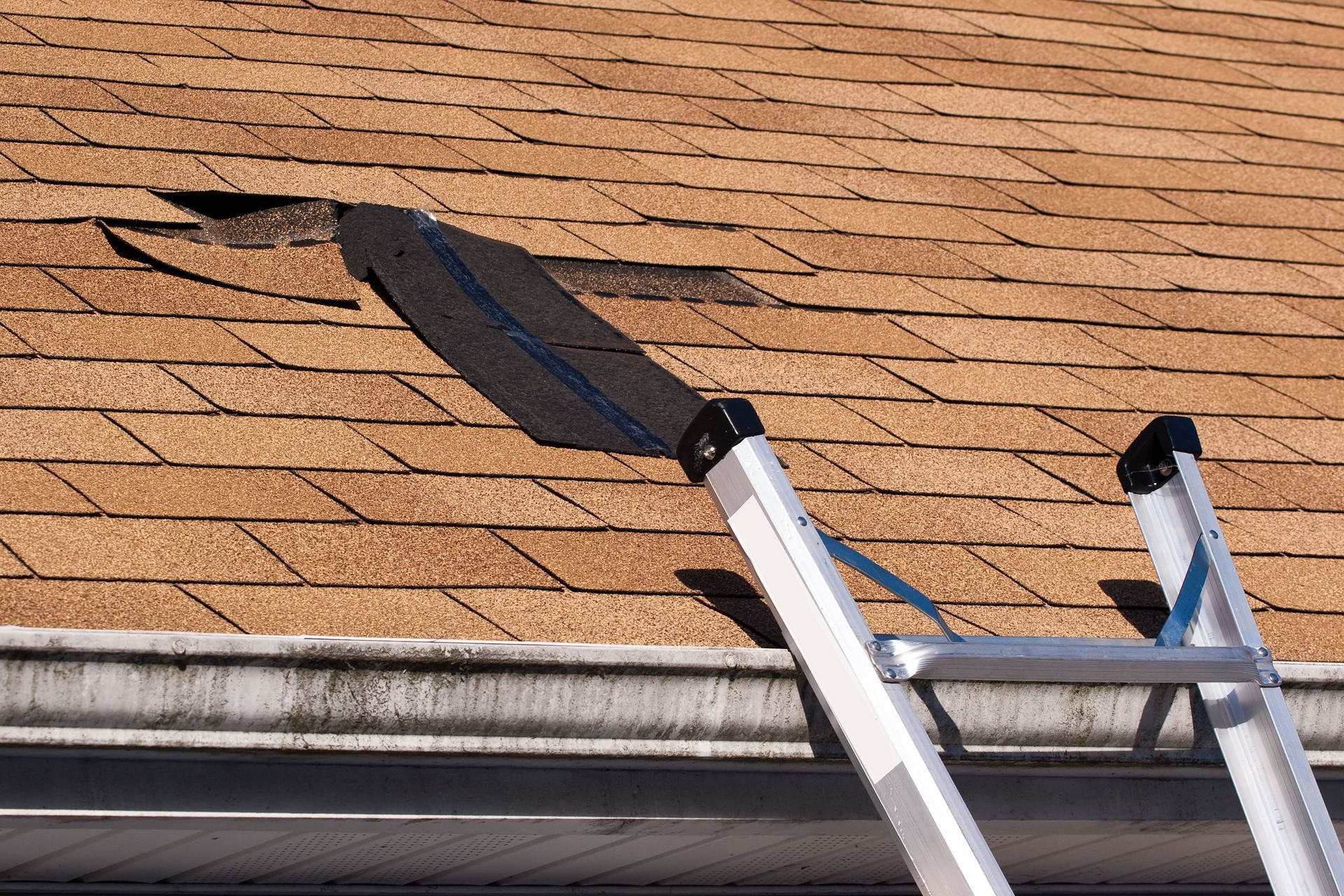
Repairing cracked shingles is a task best left to roofing professionals, who employ various techniques to ensure effective restoration. They may choose to seal small cracks using specialized adhesives that prevent water ingress and reinforce the shingles' durability. For more significant damage, replacing the affected shingles or roof sections can be necessary. Professionals assess the damage comprehensively, ensuring compatibility between new and existing roofing materials. Their expertise ensures that repairs are performed correctly, enhancing the roof's longevity and functionality.
4. Damaged Roof Vents and Chimneys
4.1. Assessment of Hail Damage to Roof Vents
Roof vents are often overlooked components that can sustain hail damage during storms. Symptoms of damage to these vents include visible dents, missing parts, or warped structures. Professional assessment is recommended as these damages might not be significant from afar but can impact ventilation efficiency. Vents are pivotal for maintaining indoor air quality, making their repair essential for home functionality. By identifying and attending to damaged vents quickly, homeowners ensure optimal ventilation and prevent further roofing complications.
4.2. Checkpoints for Chimney and Flashing Inspection
Chimneys and their flashing are vital roof components that require regular inspection, particularly after an intense hailstorm. Check for loose, shifted, or missing flashings that could permit water ingress. Professionals focus on these checkpoints during inspections to identify potential issues before they escalate. A compromised chimney can lead to leaks or structural damage within the attic or living spaces. Regular checkups and maintenance of chimneys and flashings maintain a robust roof system.
4.3. Methods for Repairing Vent and Chimney Damage
Repairing damaged roof vents and chimneys often involves several methods depending on the extent of damage. Professionals might replace dented or damaged vents entirely to restore ventilation effectiveness. For chimney repairs, resealing or replacing compromised flashing is common to halt potential water entry. Specialists ensure repairs align with building standards and extend the structure's serviceability. Maintaining these elements of the roof ensures continued performance and protection from potential internal damage.
Regular roof inspections, especially after severe weather events, are crucial to maintaining the structural integrity of your home. Recognizing the signs that warrant professional repair will help preserve your roof's longevity, preventing costly damage in the long run. Investing in professional expertise and timely maintenance strategies not only protect the physical structure of your home but also enhance its energy efficiency and overall comfort. Homeowners who engage proactively with roof care safeguard their investments and ensure their homes provide security and comfort for many years to come. If you need
local hail damage roof repair, reach out to Second To None Exteriors today!